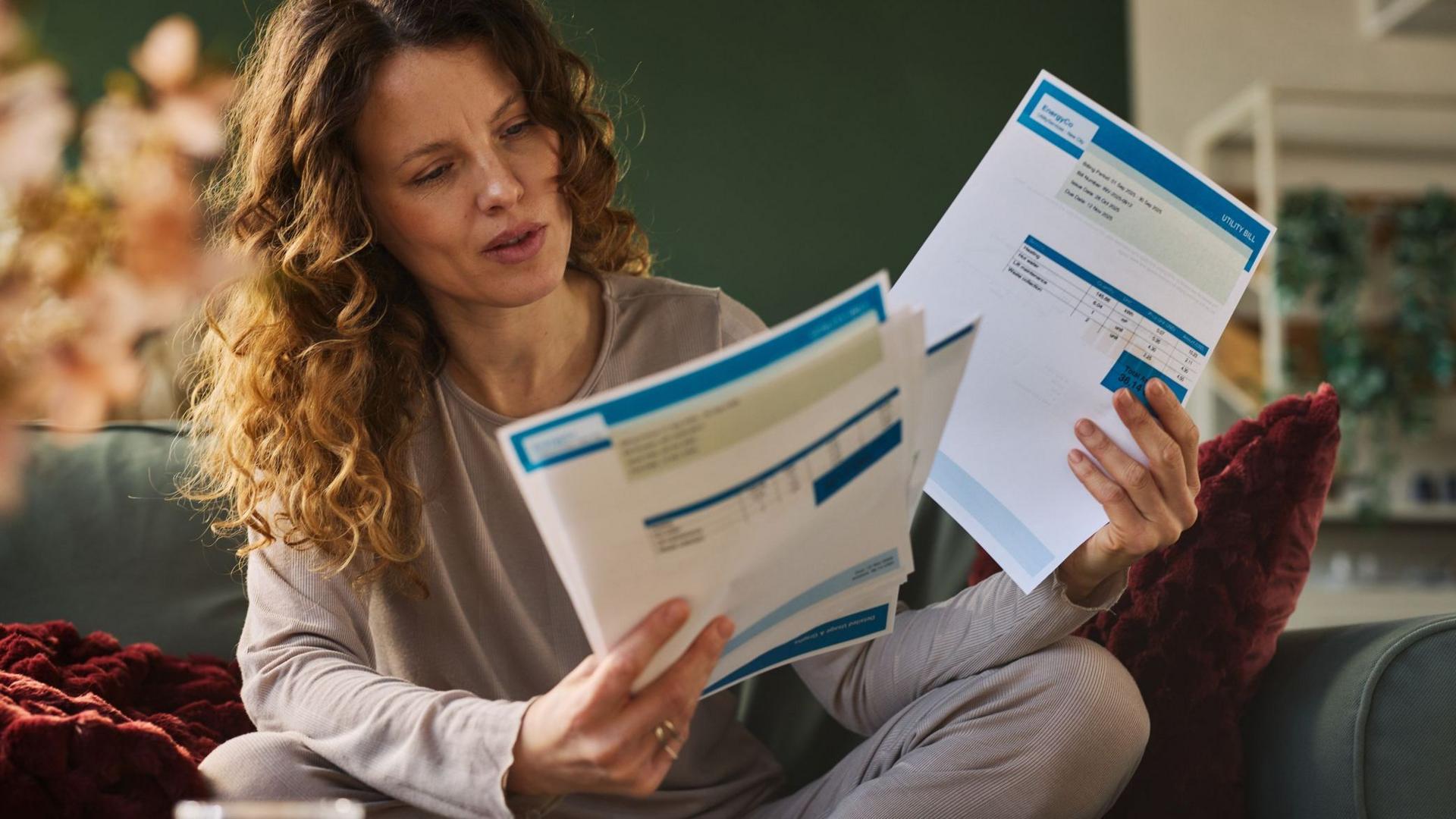
Millions of households are about to face a sharp rise in energy bills, and the report makes clear that the government's current support will not be enough to protect them. Cornwall Insight forecasts that a typical annual bill will rise by 26% in the new year, ahead of Ofgem's official announcement of the new price cap. Ofgem's cap sets the maximum price for each unit of energy, and it takes effect at the coldest time of year, when people use the most heating.
The scale of the problem is clear from the figures. If the forecast holds, a household using a typical amount of gas and electricity and paying by direct debit would see a bill rise of about £37 a month from January to the end of March, and a typical annual bill would climb by £443 to £2,166 compared with the current cap. The report notes that for every £100 spent on energy now, the new cost is likely to be about £126. Wholesale gas prices are the main driver, and the report links them to the war in Iran, which has pushed international gas prices up. The average gas price is 166% higher than late last year, according to Energy UK.
The government has offered a £100 support payment, a temporary 5% VAT cut on electricity until the end of June next year, and a £150 warm home discount for six million households on benefits. These measures matter, and the automatic £100 payment is a sensible design. But the report also shows that the support has gaps. The £100 goes to homes in council tax bands A to D, and Citizens Advice warns that people on prepayment meters, who often top up most in the coldest months, will see the money disappear quickly. Calls to extend the warm home discount, funded through everyone's bill, deserve serious consideration.
The debt warning should worry ministers as much as the bills themselves. Energy UK estimates that £67 of the average annual bill already covers the cost of unpaid debt, and total energy debt could reach about £7bn by the end of the year. Centrica's chief executive, Chris O'Shea, said he was "hugely concerned" and described a "massive problem" with non-payment. Higher debt harms households, and it also weakens suppliers and pushes costs back onto everyone else.
Ministers should treat January as a test of whether they will act early rather than react after families fall behind. They should target support at prepayment customers, review whether the warm home discount can be widened, and publish a clear plan for debt help before the cap takes effect. Predictions suggest prices could stay high next year, so a one-off payment is not a strategy. Families who are told to brace for a brutal winter need more than a warning.