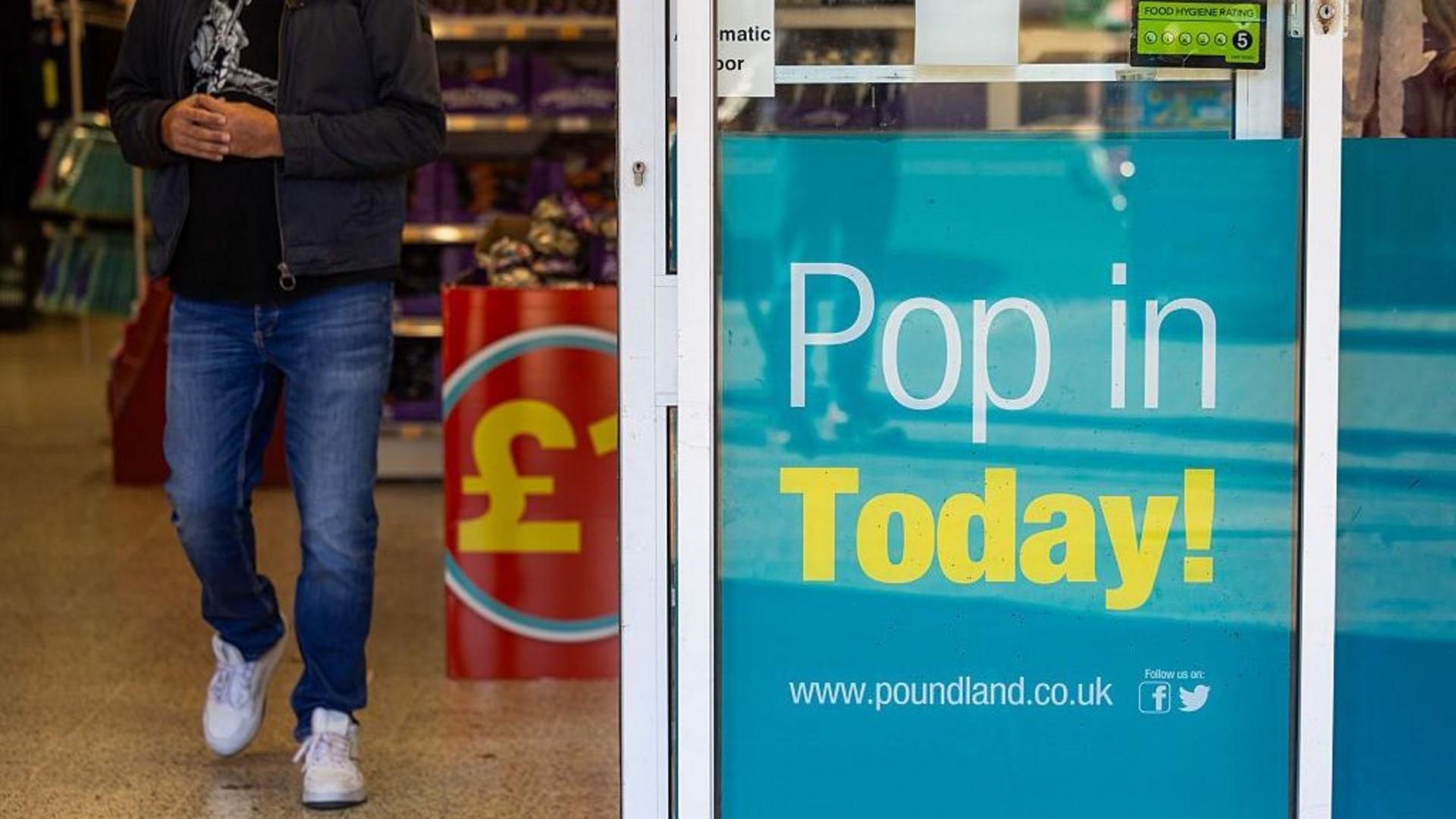
Poundland's sales are not the problem. Julie Palmer of Begbies Traynor says the tills are busier than a year ago, and first-quarter like-for-like sales were up 7% going into Christmas. Halloween sales rose 11.4%. A business with those numbers should not be lurching toward administration. The real danger is who controls its cash.
Gordon Brothers, the US investment firm that owns Poundland, has frozen about £50m in funds, raising fears that shelves would empty in the weeks that matter most. It released around £21m over two weeks, which buys time but does not fix the underlying arrangement. As Palmer put it, this is a funding and ownership problem rather than a trading collapse.
The conflict of interest is plain. Gordon Brothers is the owner, the main creditor and the holder of a £22.5m shareholder loan it inherited when it bought the business for £1. It has also collected about £18m in debt interest and fees. Palmer is right that a lender's first priority is recovering its loans, and that priority can run directly against the 11,000 jobs at stake, plus the suppliers who would be left unpaid.
Gordon Brothers says Poundland remains vulnerable to any downturn, yet it has also weighed breaking the chain up and has rejected a rescue offer from Martin Property Group that would have protected jobs. Ministers, including Prime Minister Andy Burnham and Business Secretary Jonathan Reynolds, have asked for answers, and a committee of MPs has questioned the firm. Those pressures should continue until the firm explains why a going-concern sale was turned away.
The next step should be a transparent process in which the bids from Martin Property Group, Xyra Group and the third unnamed party are assessed openly, with suppliers and staff given a clear voice. Gordon Brothers should release the funding needed to keep stock on shelves through Christmas while that process runs. A chain with healthy sales deserves a buyer who wants to keep it trading, not a creditor counting its recoveries.