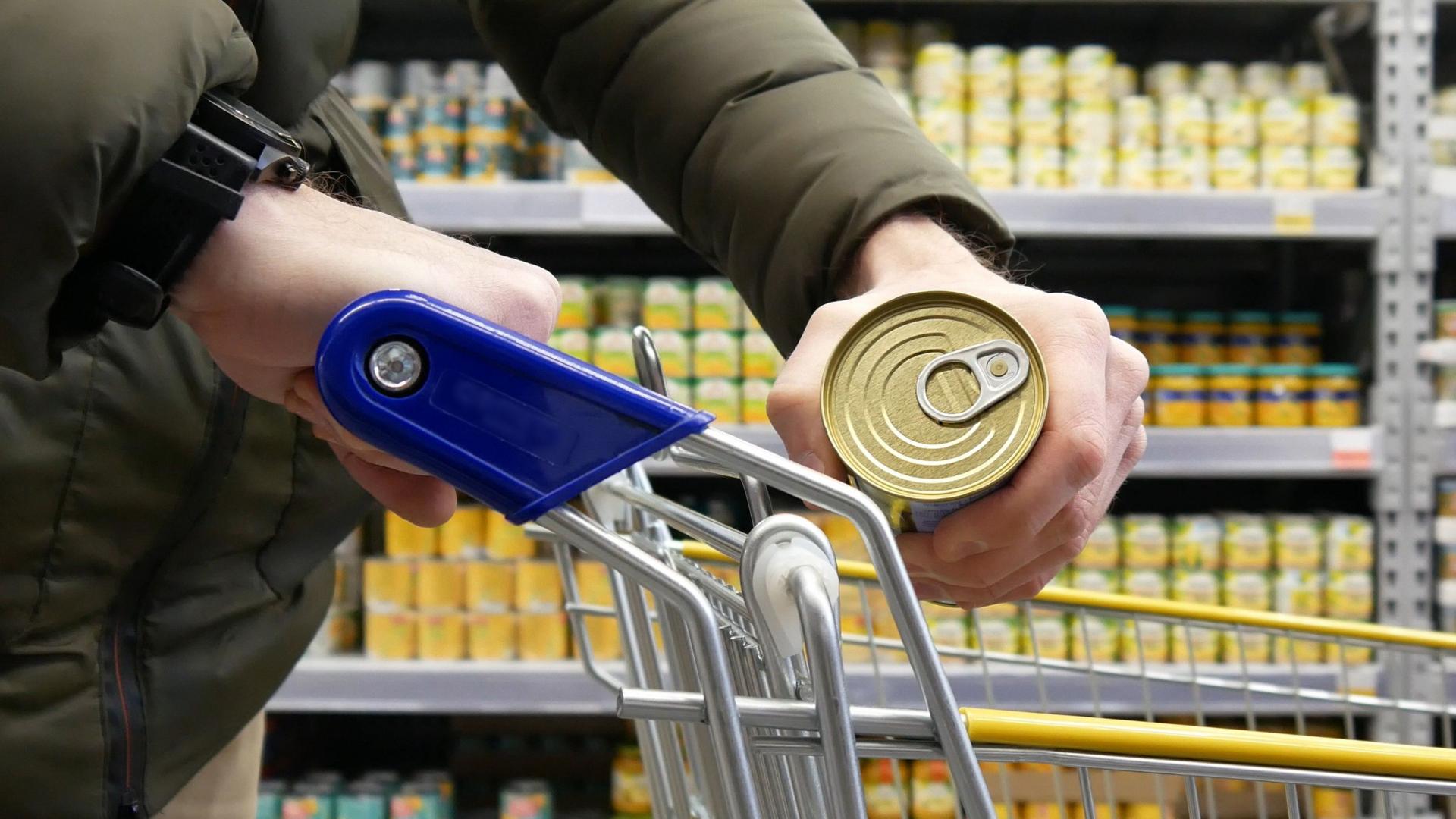
Retail sales rose in October, and the Office for National Statistics says the biggest driver was people buying long-life food such as tinned goods and UHT milk. Sales volumes were 0.7% higher, and the ONS chief economist, Grant Fitzner, said supermarkets had told it that the government's 'Be Ready' campaign boosted those sales. The rise beat some economists' expectations, which had pointed to a slight fall, and it followed a 0.6% decline in September.
The campaign asked households to keep three days' worth of food and water at home, and it also recommended wet wipes, a torch and cash. That is sensible advice for anyone exposed to severe weather or cyberattacks disrupting essential services. Separate research released last week suggested households were stockpiling essentials without panic buying, which is a reassuring finding. Still, a rise in tinned food on a supermarket receipt is not the same as a household that is ready for a disruption.
Small businesses should read these figures with care. Retailers will welcome the lift at the start of the festive period, which Jacqui Baker of RSM UK described as the busiest time of year for the sector. Her warning that consumers will 'batten down the hatches' in the New Year, as energy costs rise and inflation climbs, matters more to a shop owner than the October headline. Typical energy bills are forecast to rise by £443 a year from January, and the report links that to the Iran war's effect on fuel prices.
The public finance figures point the same way. Borrowing was £17bn in October, slightly below the forecast of about £18bn, but interest repayments reached £11.2bn, the highest October figure on record. Those repayments rise with inflation because index-linked bonds are tied to it, which means the cost of the cost-of-living squeeze is being felt across the state budget as well as in household kitchens.
My view is that the government should use the 'Be Ready' campaign as a prompt for practical planning, not a reason for a cheerful spending spree. Ministers should publish clearer guidance for small firms on how to keep trading during a disruption, and they should explain how support will reach businesses if energy costs keep climbing. A stockpile of tins can carry a household through three days. It cannot carry a business through a difficult winter.