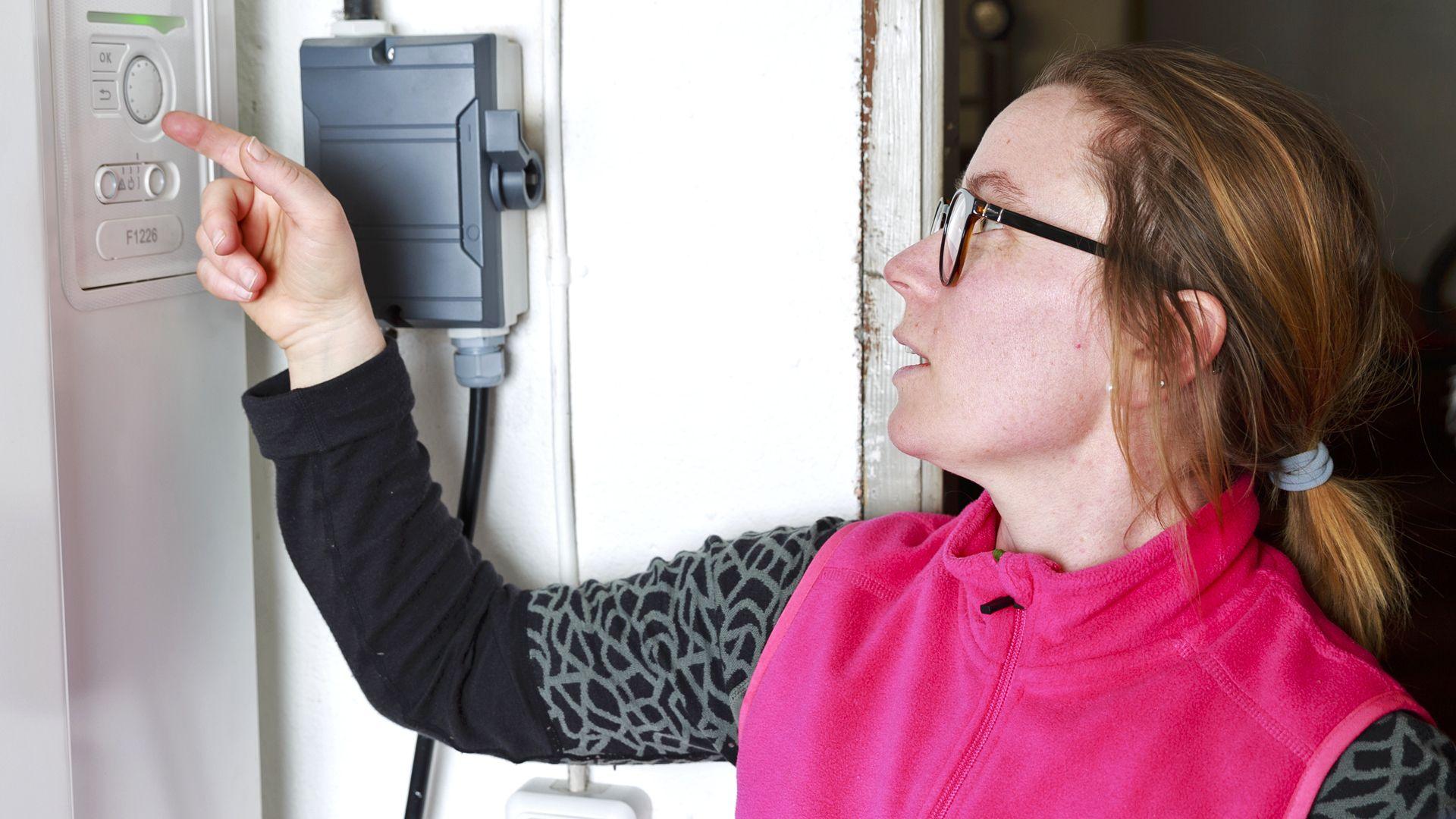
Households are being told to brace for a £443 rise in gas and electricity bills from January. Consultancy Cornwall Insight predicts the annual price cap will climb by 26%, pushing forecast household energy bills to £2,166 a year. Regulator Ofgem will confirm the new cap next Wednesday, 25 November. For families already watching their smart meters closely, that is not a small number.
The wider picture is just as uncomfortable. Inflation rose to 3.6% in the year to October, up from 3.5% in September, and the Office for National Statistics pointed to petrol and diesel as major drivers. Diesel reached 199.5p per litre, the highest since records began 30 years ago. The Bank of England raised interest rates from 3.75% to 4% earlier this month and has signalled that a further rise is possible unless the conflict in the Middle East is resolved. Higher borrowing costs will land on mortgage holders and borrowers, even as savers may gain a little.
The government's response is real but limited. VAT on electricity bills has been cut to zero until next July, and £100 will go to 20 million homes in January. Those measures help, and Cornwall Insight's Craig Lowrey is right that they can only chip away at the edges while Middle East events keep pushing bills up. Shadow chancellor Andrew Griffith blames soaring energy costs and Labour's tax and employment decisions. Whatever the political argument, the core problem is that households have almost no control over the wholesale shocks feeding into their bills.
There is one encouraging signal in the data. Food price inflation slowed to 0.9%, its slowest pace in five years, and the Bank noted limited evidence so far that firms are passing energy costs on to customers. That gives policymakers some room, but it is not a reason for complacency. The Bank itself expects inflation could peak at 4.9% in the middle of next year and not return to its 2% target until 2028, and an escalation scenario could push it to 6.2% in 2027.
So what should happen next? Ministers should go beyond one-off payments and VAT tweaks and set out a clearer plan for insulating households from price spikes driven by overseas conflict. The Bank should keep its focus on bringing inflation back to target, as it has said it will. Families such as the one in Brighton, who are wearing extra layers and using the oven less, should not be asked to absorb the shock alone.