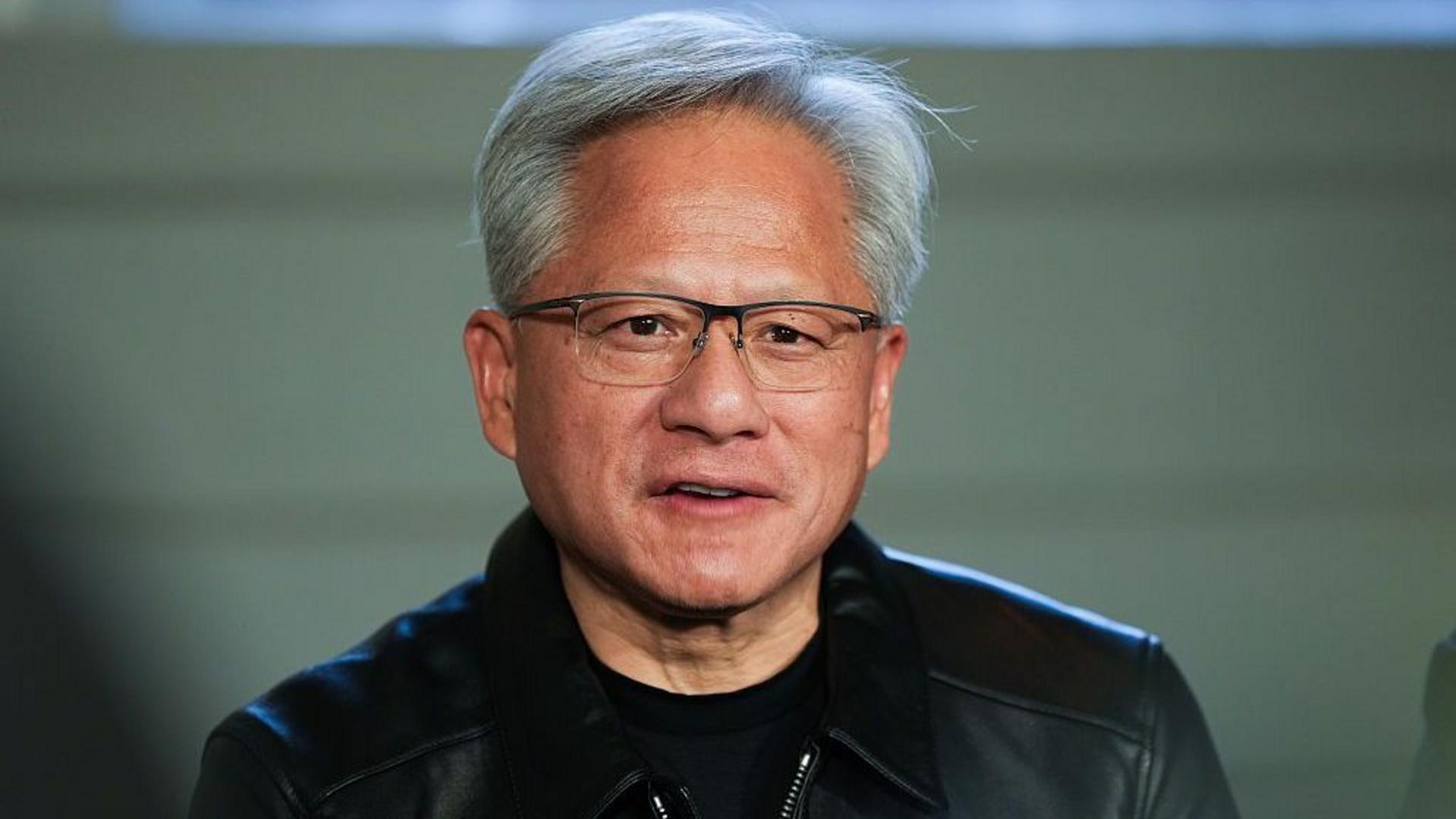
Asia's technology markets rode a sharp swing this week, and the cause was not a product launch or a quarterly profit. It was the leadership saga at Nvidia. Stock indexes in Japan, South Korea and Taiwan surged after the chipmaker's share price jumped by nearly a trillion dollars, then slumped as concerns about political and regulatory scrutiny hit investor confidence. When a single company's boardroom drama moves economies this far away, the exposure is the story.
The report makes clear how deep that exposure runs. Nvidia outsources most of its production to Taiwan's TSMC, so Taiwan's recent growth has been driven largely by AI-related exports, according to Paul Cavey of East Asia Econ. South Korea and Japan supply memory chips and testing equipment, and Huang said Nvidia plans to invest around $150bn a year in Taiwan. Data centre investment in the Asia-Pacific region reached a record $11.6bn in 2025, according to CBRE. Governments and manufacturers have built strategies around one company's fortunes, and the report suggests few of them have planned for what happens if that company stumbles.
Huang's return brought relief, and some of the celebration in Taiwan was playful. But relief is not a plan. The report notes that the new US rules restricting access to computing power abroad could hit Southeast Asian countries that have spent billions on data centres serving Chinese firms, and that Nvidia has reportedly paused shipments to the region. Saxo Bank's Charu Chanana put the problem plainly: Huang's return may resolve the immediate leadership crisis, but it does not resolve the legal and political overhangs.
Washington should not be the only actor asking hard questions. Taiwan, in particular, should press harder on how far it has actually built a supply chain that is not tied to China, and on how it intends to manage the risk of depending so heavily on a single US firm. Governments in Singapore, Malaysia and elsewhere should examine their own exposure to export rules they do not write. Companies that have built businesses around Nvidia chips should plan for periods when those chips are harder to buy.
The episode is a warning, not a verdict. Nvidia's technology remains central to the region's AI boom, and nothing in the report shows that the boom is ending. But an industry that can be jolted by one executive's return or one new export rule is not resilient. Asia made a large bet on Nvidia. The next step is to decide how much of that bet it is willing to keep.