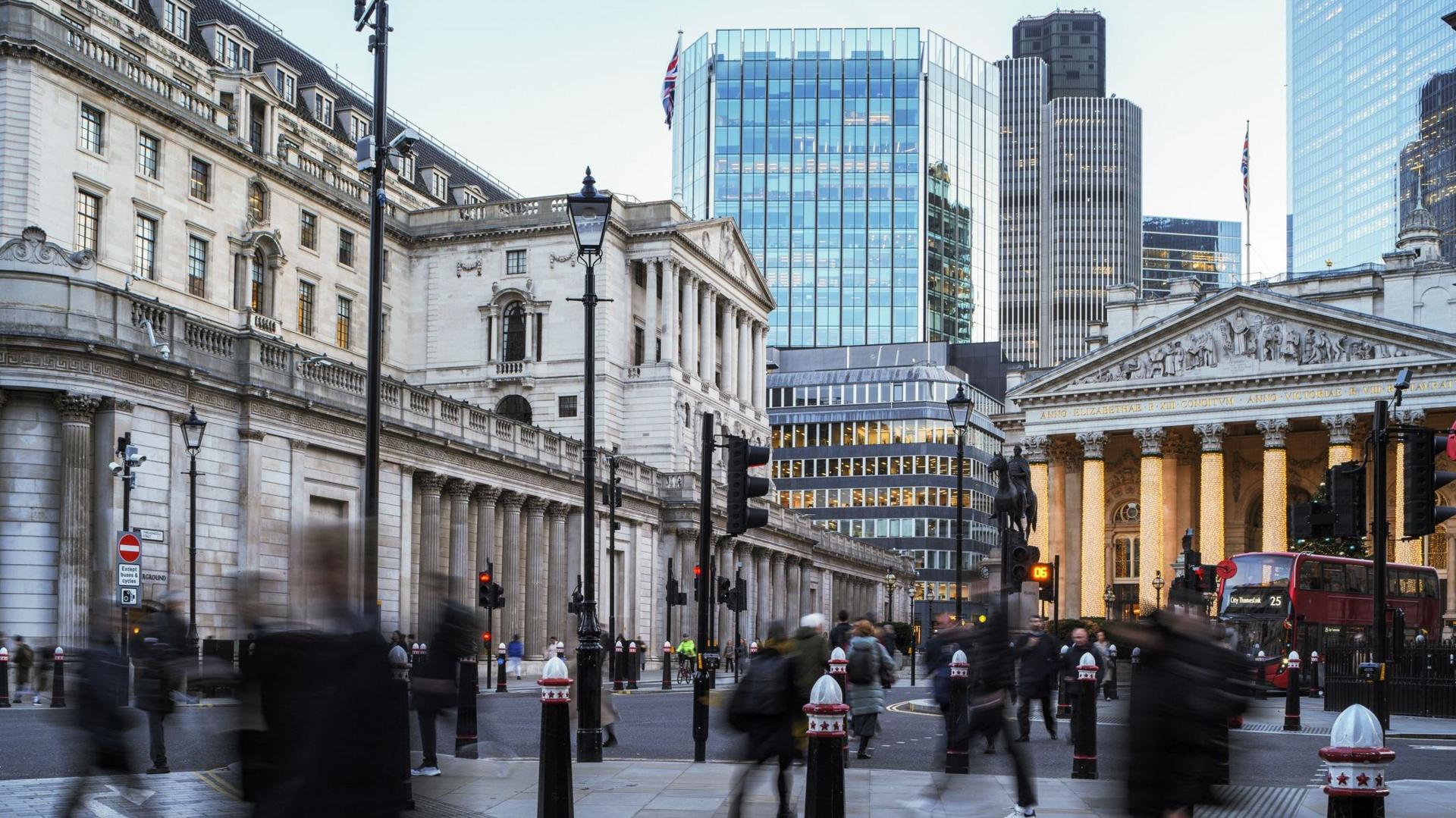
The Bank of England is expected on Thursday to lift its benchmark rate from 3.75% to 4%, which would be the first increase in more than three years. After holding steady at six consecutive meetings and falling from a 2023-24 peak of 5.25%, policymakers now face inflation that is moving the wrong way. The Consumer Prices Index measure reached 3.5% in the year to September 2026, up from 3.1% the month before and well above the Bank's 2% target. Much of that pressure traces back to the cost of petrol and diesel, which is itself tied to the ongoing impact of the Iran war.
A quarter-point rise is the sensible response to that picture. Allowing inflation to drift further from target would make the eventual correction harder and more painful for everyone. Chris Cheverall of CMC Markets put the dilemma plainly: the Bank must weigh inflation that is still too high against an economy whose growth outlook has weakened sharply. There is no painless option, and the report suggests the decision is now less about whether rates reach 4% than about what comes next.
The people who will feel this first are borrowers. The report says the 510,000 tracker mortgage holders would see an immediate increase of about £31 a month for a typical 0.25 percentage point rise, while the 470,000 variable-rate holders would face roughly £14 more a month once their lenders react. Households coming off five-year fixed deals face a sharper shock. With the average five-year fixed rate at 5.99% as of 4 November, according to Moneyfacts, and a five-year remortgage rate of 1.30% five years ago, the gap is stark. Broker L&C estimated some borrowers could pay almost £5,000 more a year on a £200,000 mortgage over 25 years than those who remortgaged in 2021.
Lenders have already priced much of the expected rise into new fixed deals, so waiting for certainty may not lower costs. Rachel Springall of Moneyfacts rightly warned that the choice between a fixed and a tracker depends on whether borrowers can genuinely absorb further increases. The Bank should be explicit in its guidance about the likely path of rates, because households cannot plan around a number that changes every few months.
Savers are the quiet winners here, and that deserves to be said plainly. Better returns on deposits are overdue after years of low payouts, and the report notes that savings rates could improve as a result of the rise. Policymakers should keep watching whether that benefit actually reaches ordinary savers rather than stopping at the big banks. Thursday's announcement at 12:00 GMT matters, but the forward guidance that follows will matter more.