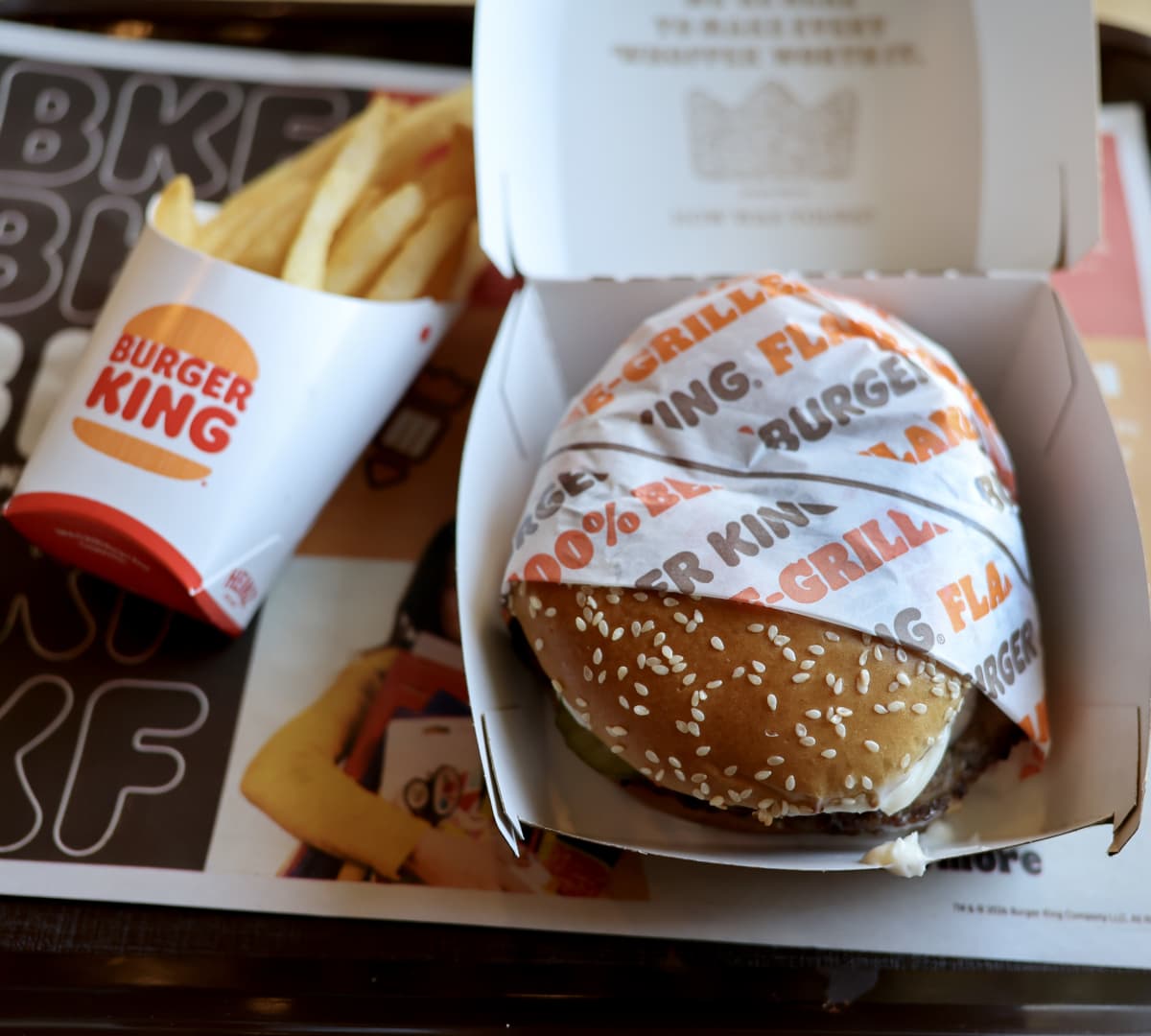
Restaurant Brands International's third-quarter report reads like two different companies stapled together. Burger King's U.S. same-store sales rose 8.4 percent, and the company's chair, Patrick Doyle, said on the earnings call that the chain has now delivered three consecutive quarters of "truly exceptional results." That is a turnaround doing what turnarounds are supposed to do: fixing the product, then the restaurants, then the sales numbers that follow. Shareholders were still unhappy enough to push shares down about 2 percent in morning trading, but the Burger King story is the one that should give investors confidence.
The chain's approach has been specific rather than vague. After improving the Whopper earlier this year, it turned to nuggets and sauces. CEO Josh Kobza told CNBC, "We've heard it loud and clear from our guests." Since the nuggets relaunched on September 1 with 100 percent white meat chicken, the report says sales have shot up more than 35 percent. Whatever one thinks of fast-food menu strategy, that is a clear cause tied to a visible result, and it is the kind of evidence a skeptical reader should want to see.
Popeyes is the counterpoint, and the company should not soften it. Its U.S. same-store sales fell 2.2 percent, and management now says a return to growth will take longer than the second half of 2026 it had previously forecast. The $6 Big Box promotion brought back in September boosted sales less than expected, and the decision to scale back wings to refocus on core items is hurting sales in the short term. Traffic is improving, which is a real signal, but a chain that keeps pushing its recovery date back has a credibility problem that a quarterly beat elsewhere cannot fully hide.
My view is that Restaurant Brands should be more candid about what the Popeyes timeline means for its overall story. Burger King's success is worth celebrating, but it cannot be used to paper over a second brand that is still losing customers to rivals with discounts. The company should set a narrower, measurable target for Popeyes traffic and report against it next quarter. Tim Hortons, with 1.8 percent Canadian same-store growth and a matcha launch aimed at slower afternoon hours, offers a more modest model of steady improvement. Investors should reward the wins where they are earned and demand a plan, with dates attached, for the rest.