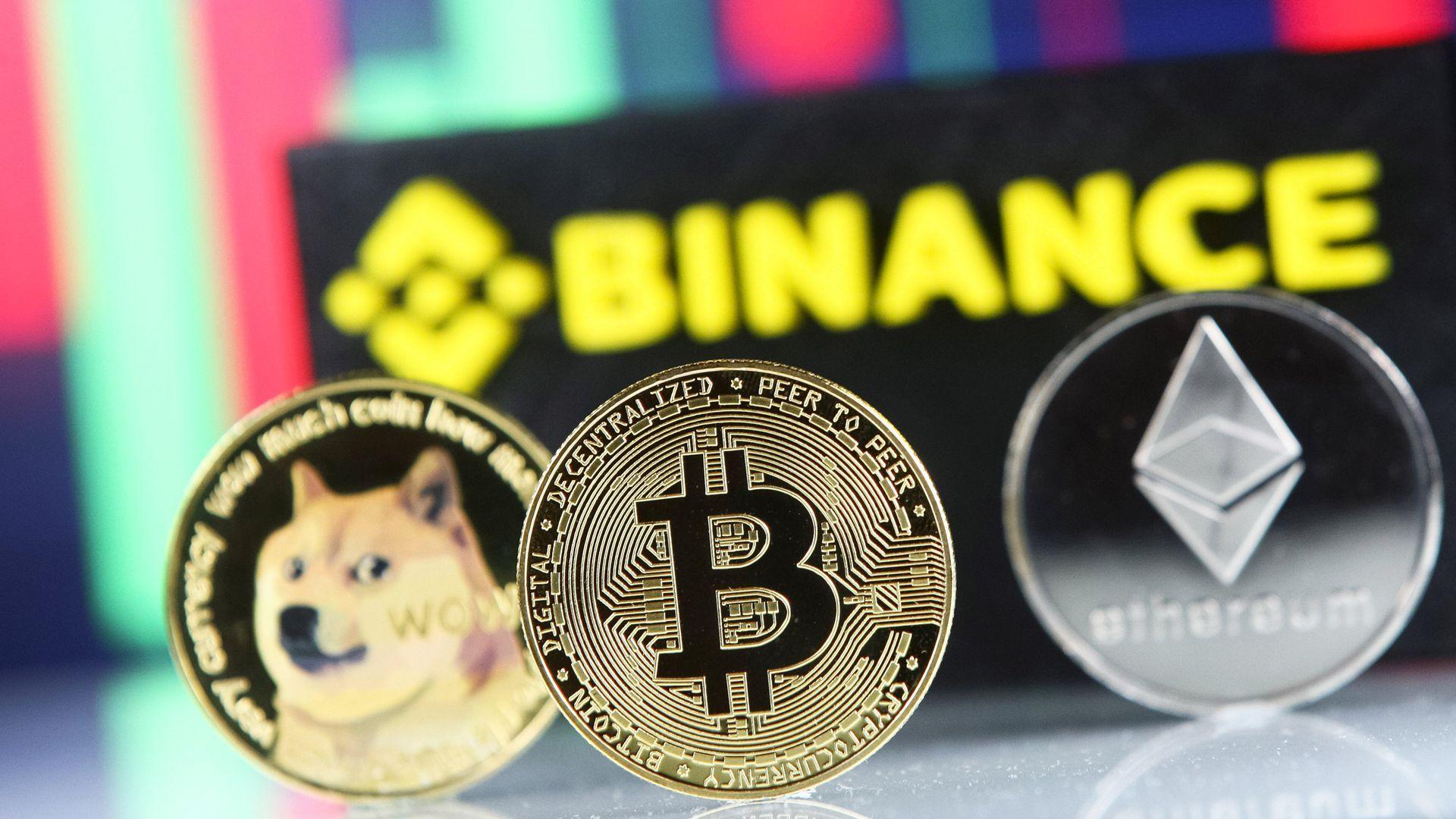
Binance says it has frozen around half of the $6.3bn (£4.7bn) taken in what is believed to be a record heist, and that it has set aside more than $6.34B in company funds to cover the losses. Those are large numbers, and they deserve a plain-eyed reading. The firm has also said that $3bn of the stolen assets had been secured, while many remained in the hands of unidentified hackers. A company that has recovered roughly half of a loss of this size still has a serious gap to close.
The firm's own account has shifted. It first said the breach may have started with a compromised DevOps engineer's laptop, then said in a later statement that the attack was wider, with additional points of breach. Co-CEO Richard Teng described a "self-destruct mechanism" that destroyed tooling and traces. Customers were told at first that deposits and withdrawals were suspended, then that "deposits remain unaffected". When an exchange's account of its own security keeps changing, users are right to ask for something more solid than reassurance.
The reassurance itself is the problem. Binance tells users "your money is safe, and we're covering every loss". Legal experts quoted in the report warned that such a promise should not be treated as legally binding. Daniel Tunkel of Edwin Coe said recovery would "come down to what [customers] have been promised in their contracts". Crypto history watchers have also pointed out that FTX's Sam Bankman-Fried offered similar assurances before his exchange collapsed in 2022. A message of strength is not a balance sheet, and it is not an audit.
What should happen next is clear. Binance should publish a detailed, independently verified accounting of which assets are secured, which are unrecovered, and how the $6.34B set-aside is held. Its contractual promises to customers should be stated in terms a court would enforce. Regulators in the jurisdictions where it operates should press for that transparency rather than accept a general assurance. The wider industry should also take note that a firm handling more than $160bn in custody cannot rely on trust alone.
The North Korean link, which several analytics firms and Chainalysis have pointed to, is a reason for urgency rather than an excuse for delay. The Secret Service and FBI are involved, and tracing stolen funds across borders is slow work. Until that work produces results, the people with the most at stake are Binance's users, and they should be given facts they can check.