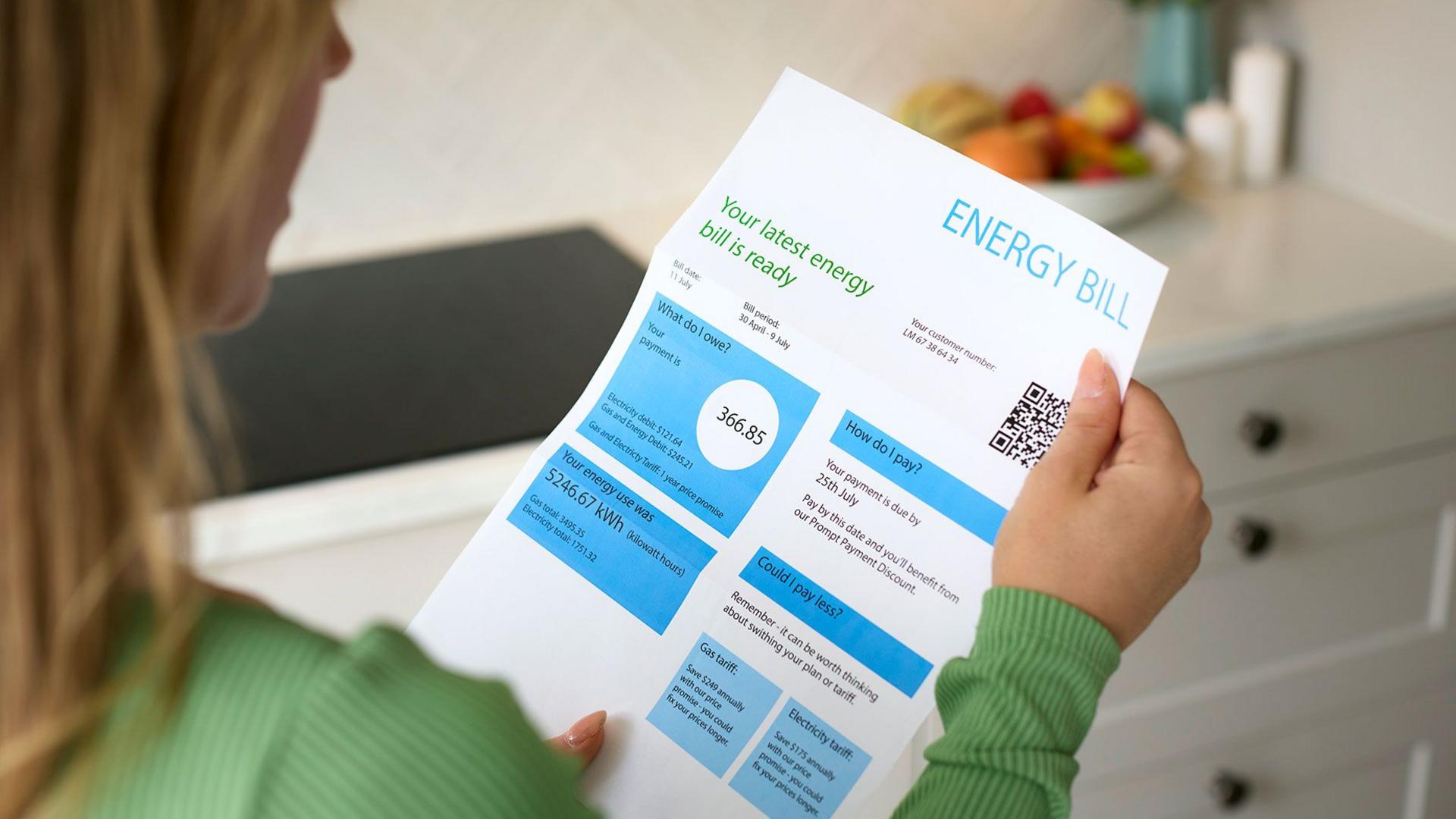
Energy bills will rise by 26% for millions of households in January, after a surge in gas prices linked to the Iran war, according to the regulator Ofgem.
A typical bill will increase by about £37 a month in the first three months of the new year. Ofgem said the amount depends on how much energy a household uses, and in winter the increase could be closer to £60 a month. For a household using a typical amount of energy in England, Scotland and Wales and paying by direct debit, Ofgem said the annual bill would rise from £1,723 to £2,166 if the increase lasted a year.
Ofgem said the rise in the price cap, which is set every three months, was driven entirely by higher wholesale costs for suppliers. It attributed those costs primarily to the Iran war. Wholesale gas prices rose 33% in the three months used to set the January to March cap.
The government will pay millions of households £100 from 4 January to help with winter costs. The warm home discount will take £150 off bills for six million households on benefits this winter. Some groups have called for that support to be extended.
Dame Clare Moriarty, chief executive of Citizens Advice, said, "We are staring down the barrel of a brutal winter." Charities and suppliers expect debt to rise and more people to need emergency support.
Ofgem has written to energy suppliers, telling them to identify people who need help early, make support easy to access and ensure repayment plans are affordable and sustainable.
The price cap sets a maximum price per unit of energy, not a total bill. Under the January cap, the average electricity unit price will rise from 26.32p to 32.69p per kilowatt-hour. The gas unit price will rise from 7.97p to 10.96p per kilowatt-hour. Daily standing charges will be 54.77p for electricity and 29.65p for gas. Households on fixed deals are not affected until their term ends.
Energy Secretary Miatta Fahnbulleh said people would be "deeply concerned" by another rise in energy bills. "For too long, British families have been paying the price for conflicts overseas and volatile fossil fuel markets," she said.