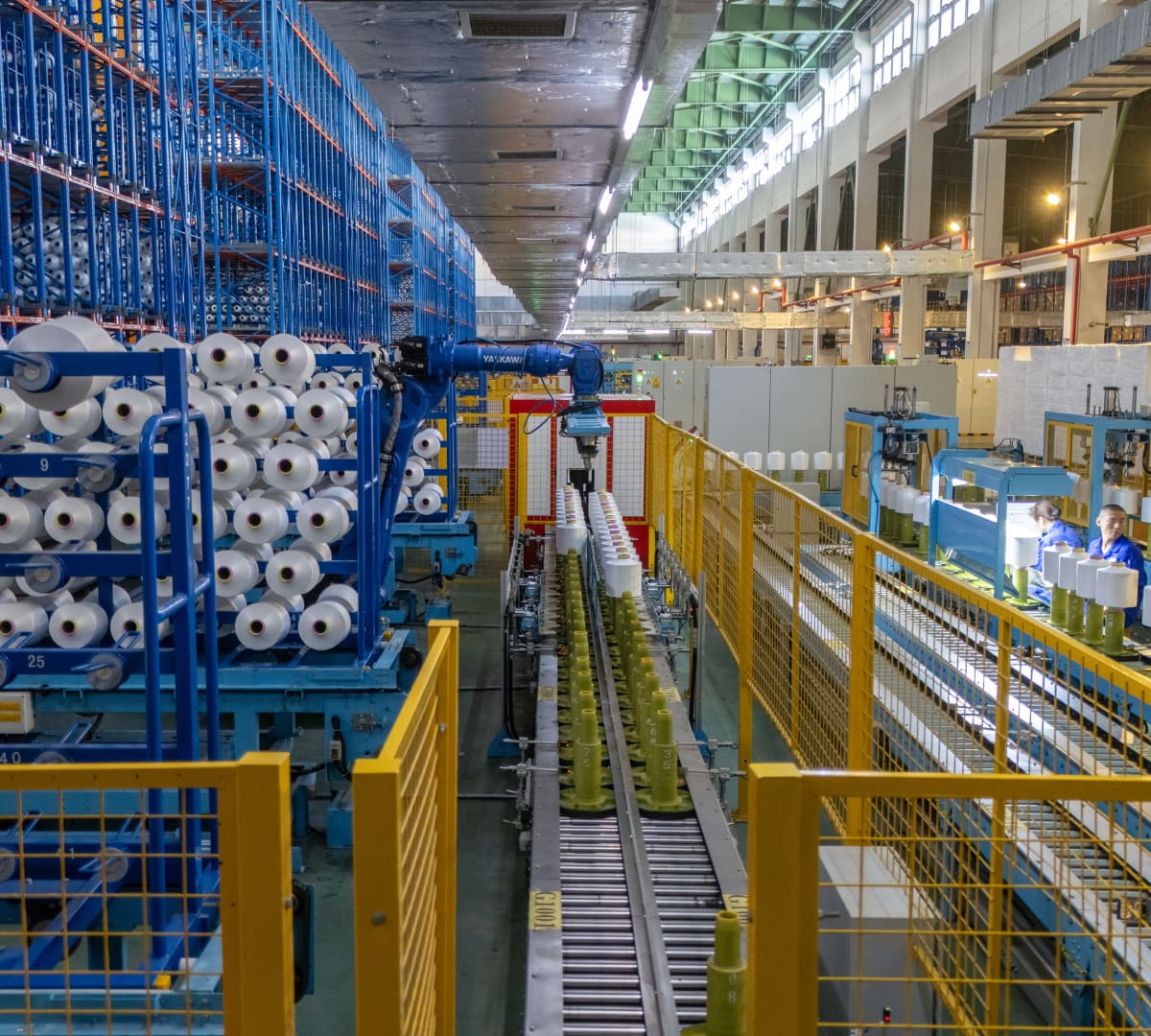
US apparel imports have shifted toward synthetic fabrics, according to a CNBC Business report. In 2010, about 60% of imported clothing was predominantly cotton. Today that share is around 45%, and predominantly synthetic fabrics such as polyester and nylon make up the majority.
The report ties the shift to changing shopper behavior. AlixPartners' 2026 Consumer Sentiment Index, which surveyed more than 9,000 shoppers, found that consumers are scrutinizing labels more closely and rejecting cheap materials sold at a premium. Sonia Lapinsky, head of fashion at AlixPartners, said retailer brands that pass off synthetic materials as natural are losing consumer favor.
Apparel prices generally fell in the two decades before the pandemic, according to the consumer price index. Since 2020, they have risen to record highs, according to the report.
Quality can cost more. Data from the U.S. Commerce Department's Office of Textiles and Apparel show the average unit price of imported apparel from January to August was $2.64 per square meter for predominantly synthetic garments and $3.67 for largely cotton items. Compared with 2010, synthetic apparel import costs rose about 11%, and cotton apparel costs rose 21%.
Janine Stichter, a consumer analyst at U.S. Bancorp BTIG, said the market has swung back toward quality. "Quality matters a lot more ... over the last three or four years than it has in the previous 10 or 20," she said.
Bernstein Research analyst Aneesha Sherman said sports apparel growth has also driven demand for polyester. From 2015 to 2025, sports apparel grew at a 4.9% rate in the U.S., compared with 2.6% for all apparel and footwear, according to Euromonitor data. Sherman said some quality trade-down is also happening, but she considers both trends intertwined.
The report also notes growing concern about synthetics. Gen Z has used "polyester" as an insult meaning low-quality or fake, and research indicates microplastics can leach from polyester clothing when washed.
Stichter attributed post-pandemic price increases to demand outpacing supply, along with tariffs and the Iran war, which raised business costs. Petroleum is the basis of many synthetic fibers, and the report says oil prices have skyrocketed since the Iran war began.