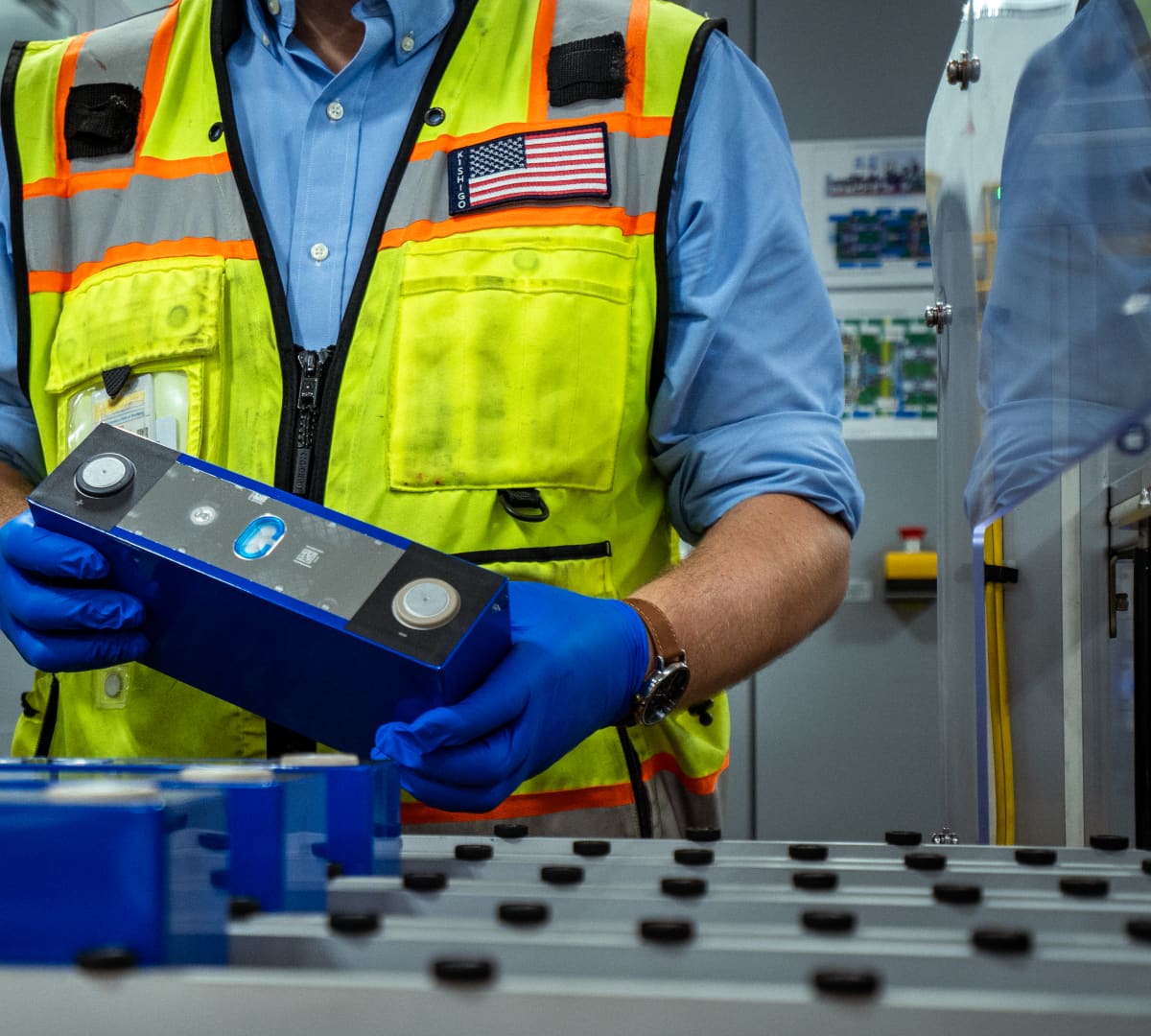
Ford Motor has started producing battery cells in the U.S. using technology licensed from Chinese battery maker CATL, the automaker said Wednesday.
Cell production at Ford's $3 billion plant in Marshall, Michigan, began last month, and the cells are now shipping out. Ford says they will be used in prototypes for its Fathom small electric pickup truck. The cells use lithium iron phosphate, or LFP, chemistry, which is lower cost.
Alan Clarke, Ford's vice president of advanced development projects, said licensing CATL's technology helped Ford bring the chemistry to the U.S. quickly. "CATL being the biggest in the world means that they're the best supplier to get us that technology and help us learn ourselves how to produce LFP cells," Clarke said Tuesday during a tour of the facility.
Some lawmakers and U.S. Transportation Secretary Sean Duffy have criticized the decision over Ford's ties to CATL. In September, Duffy sent a letter to Ford CEO Jim Farley expressing "profound concern" about the company's ties to Chinese firms. The White House later commended Ford for its domestic jobs and manufacturing.
The Marshall plant is expected to produce 40 cells a minute, or 20 gigawatt-hours annually for EVs and Ford's energy storage business. That is down from an earlier plan of up to 40 gigawatt-hours. Ford says the facility has room for more capacity if needed. The plant is still in the early stages of certifying its processes, and Ford plans to ramp up cell production next year ahead of the expected Fathom launch in the fourth quarter of 2027.