Big U.S. pizza chains are losing ground as consumers cut discretionary spending and choose from more dining options, according to a CNBC Business report.
The number of U.S. pizza restaurants has fallen by more than 9,600 since August 2019, when locations peaked at 83,035, according to Datassential data cited in the report. The count stood at that reduction as of July 2026.
Technomic data show U.S. pizza restaurant sales fell 0.3% in 2025. Independent pizzerias slipped 0.4%, and chains, which account for about two-thirds of category sales, shrank 0.3%.
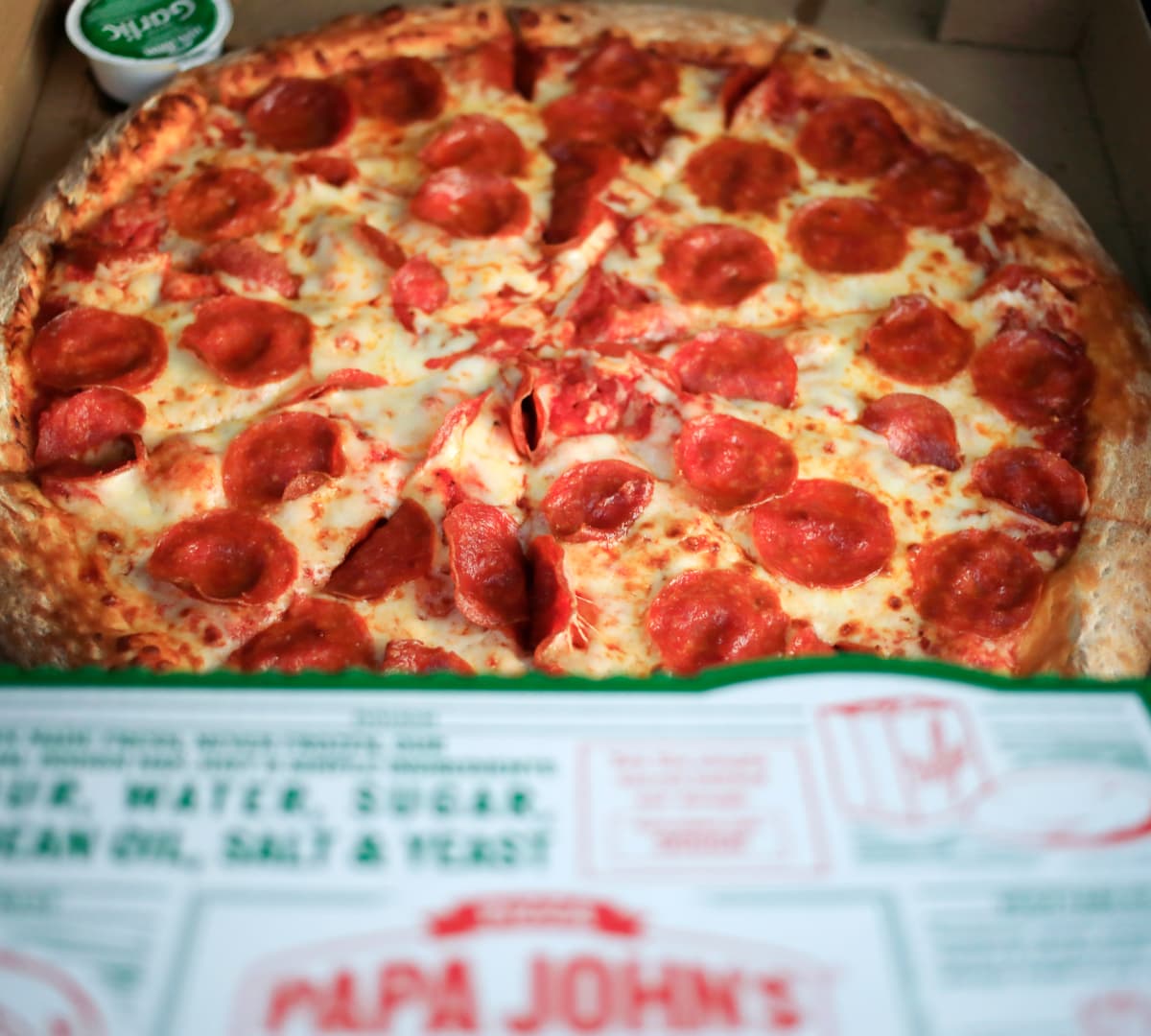
Papa Johns reported that North American same-store sales declined 2.5% in 2025. Pizza Hut's U.S. same-store sales fell 5%. Domino's was the only one of the three publicly traded chains to post growth, with U.S. same-store sales up 3%.
The report says the rise of GLP-1 medications is one factor. A 2026 survey published by PwC found that spending on pizza quick-service restaurants fell 22.2% per GLP-1 household after six to eight months of medication use.
Competition has also grown. Third-party delivery platforms now offer many cuisines, so Domino's and Papa Johns compete with chains like McDonald's and Chick-fil-A for DoorDash and Uber Eats orders. The average large cheese pizza costs almost $17, according to the 2026 Pizza Power Report from PMQ Pizza. Retail frozen pizza sales rose 2.9% in the 52 weeks ended Nov. 7 compared with the same period in 2022, according to NielsenIQ data.
Chains are responding. Domino's launched a customizable Detroit-style personal pizza in August. Papa Johns unveiled a turnaround plan in November focused on food consistency and restaurant operations. Pizza Hut is running a holiday-themed meal deal.
David Portalatin, a food and food service industry advisor for Circana, said total pizza servings are down only about 1% this year. He said, "Pizza's not going anywhere. The American consumer loves pizza."