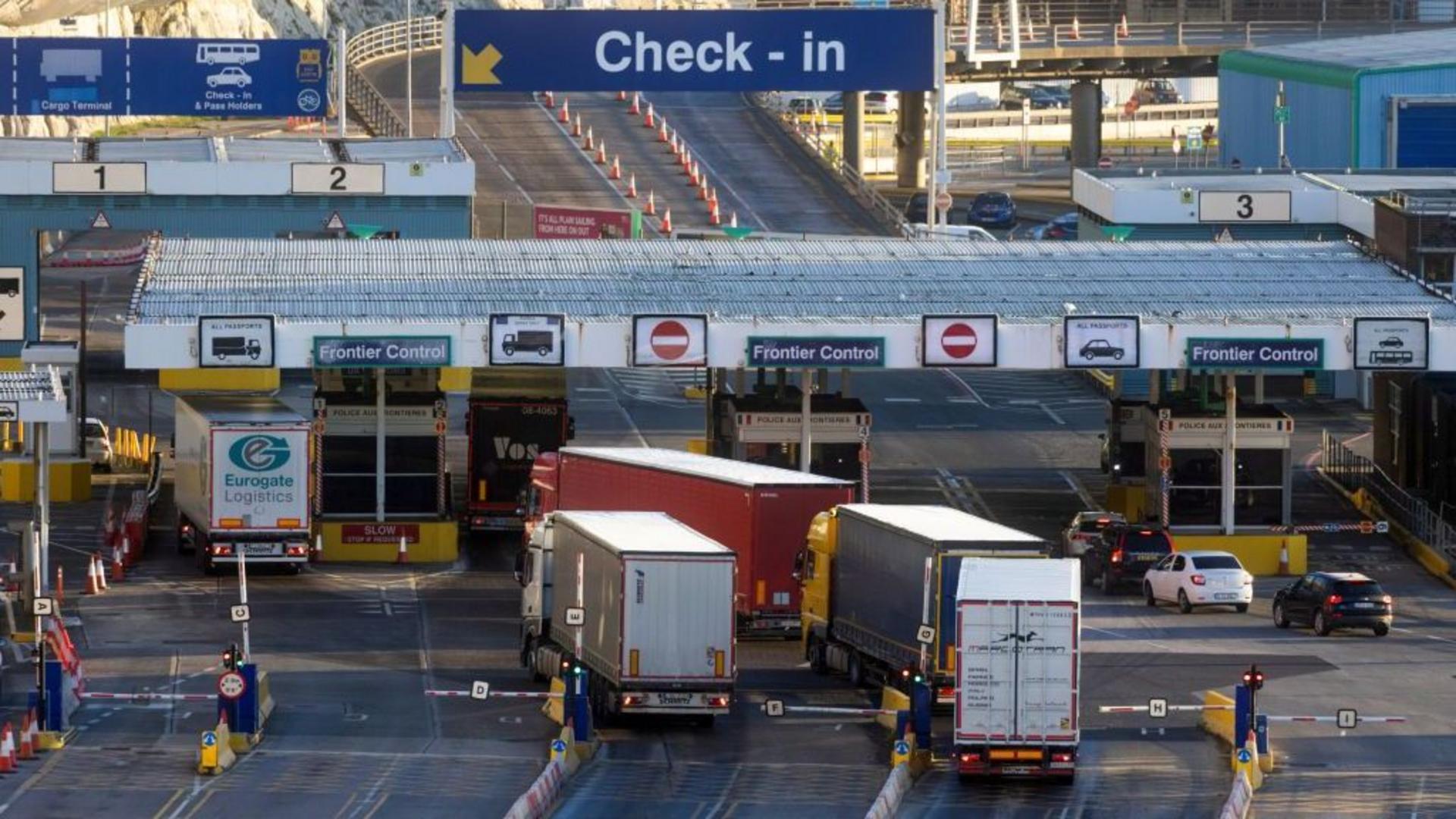
The UK and EU have agreed a draft deal to remove post-Brexit checks on food and agriculture exports, according to the BBC. The 200-page draft text for the so-called "SPS" (sanitary and phytosanitary) agreement has been circulated to EU nations in Brussels for consideration at a meeting on Wednesday, the BBC understands.
The deal would remove the need for £200 Export Health Certificates, £25 Phytosanitary certificates, inspector fees, organic certificates, some port fees, sampling fees and other checks on exports and imports to and from the EU. The government claims the UK economy will eventually see £5.1bn in annual benefits.
Under the agreement, the UK would commit to observing and adapting to existing EU rules on plant, animal and food trade standards, a process called "dynamic alignment." UK exports of fresh sausages, burgers, shellfish from domestic waters and seed potatoes would also be able to resume. The agreement would also allow passports for UK pets taken into the EU.
Similar draft texts on emissions trading and a youth travel and work scheme have also been circulated, alongside a 15-page draft joint statement for top leaders. The draft agreements will be discussed at a meeting of EU ambassadors, called Coreper, on Wednesday. The BBC understands they will also include references to UK involvement in defence cooperation schemes and access to law enforcement databases.
Supermarkets and farmers' representatives have backed the food trade plans. Some pro-Brexit campaigners have criticised the reapplication of EU rules, according to the report.
The British Chamber of Commerce said the current trade relationship is "failing to deliver." It offered nine options for a closer relationship, including a customs union, a "Swiss-style" Single Market relationship and a "Canada model" associate membership. In a BCC survey, 56% of exporting businesses said they wanted EU customs paperwork and delays removed so they can grow, rising to 58% of manufacturers.
The BBC reports that Prime Minister Andy Burnham wants to use this month's summit to launch a conversation on a longer-term path for the UK's relationship with the EU, including "going all the way," meaning rejoining the bloc.